What a PSD letter is for
A psychiatric service dog is a dog individually trained to do work or perform tasks for a person with a psychiatric disability. Under the Americans with Disabilities Act (ADA), the dog's training is what makes it a service animal, not any paperwork.
Where a letter helps most is housing. Under the Fair Housing Act, the 2004 HUD and DOJ joint statement on reasonable accommodations allows a housing provider to ask for reliable documentation of a disability and the disability-related need for an animal when those things are not obvious. A letter from a licensed clinician who has evaluated you is one way to provide that.
Where a PSD letter doesn't apply
In stores, restaurants and other public places, staff cannot ask for documentation, an ID card, a certificate or a vest. When it is not obvious, they may ask only two questions: whether the dog is required because of a disability, and what work or task it has been trained to perform. A letter is not needed here and does not grant public access.
For flights, airlines may require the U.S. Department of Transportation's Service Animal Air Transportation Form, plus a relief form for flights of 8 hours or more. You fill those out yourself. A letter can accompany them, but the DOT forms are what airlines may require.
How our service works
Booking is free. You confirm your state, then talk with a licensed clinician in a 5–10 minute phone or video evaluation. If the clinician finds it appropriate, you receive a signed PDF letter and pay $149 for 1–2 dogs or $229 for 3 dogs. If not, you pay nothing. There is no subscription or membership.
- Book online and confirm your state
- Short phone or video evaluation with a licensed clinician
- Signed PDF letter if appropriate
- Pay only if a letter is approved
Who qualifies for a PSD letter
Two things need to be true. First, you have a psychiatric condition that substantially limits one or more major life activities, such as sleeping, concentrating, working or caring for yourself. Second, your dog is individually trained to perform specific tasks that help with that condition, such as interrupting a panic response, providing deep pressure therapy, or waking you from nightmares.
Your dog does not need to come from a professional program; the ADA allows people to train their own service dogs. What matters is that the training is real and the dog behaves well in public. A clinician cannot judge your dog's training for you, but the letter should honestly reflect the tasks your dog performs.
Common PSD myths
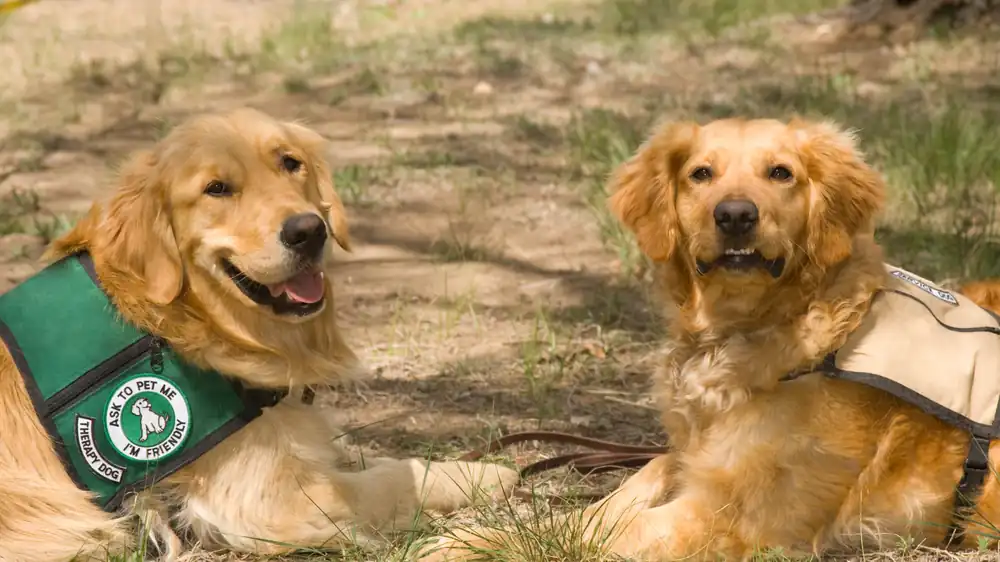
There is no official federal registry, certificate or ID card for service dogs, and online registrations have no legal effect under the ADA. Vests are optional. Many states also penalize misrepresenting a pet as a service animal, so a letter should always reflect a real disability and a dog that is actually task-trained.
If your dog comforts you but has not been trained to perform specific tasks, an emotional support animal (ESA) letter is the accurate document for housing. We do not sell ESA letters, but we will tell you honestly if that is the better fit. If you are in crisis, call or text 988, or call 911 in an emergency.
Still have a question
Browse the featured guides below, or email support@usapsdletter.com. We answer questions about booking, letters and billing; we cannot give legal advice about a specific dispute, but we can point you to the official agency that handles it.